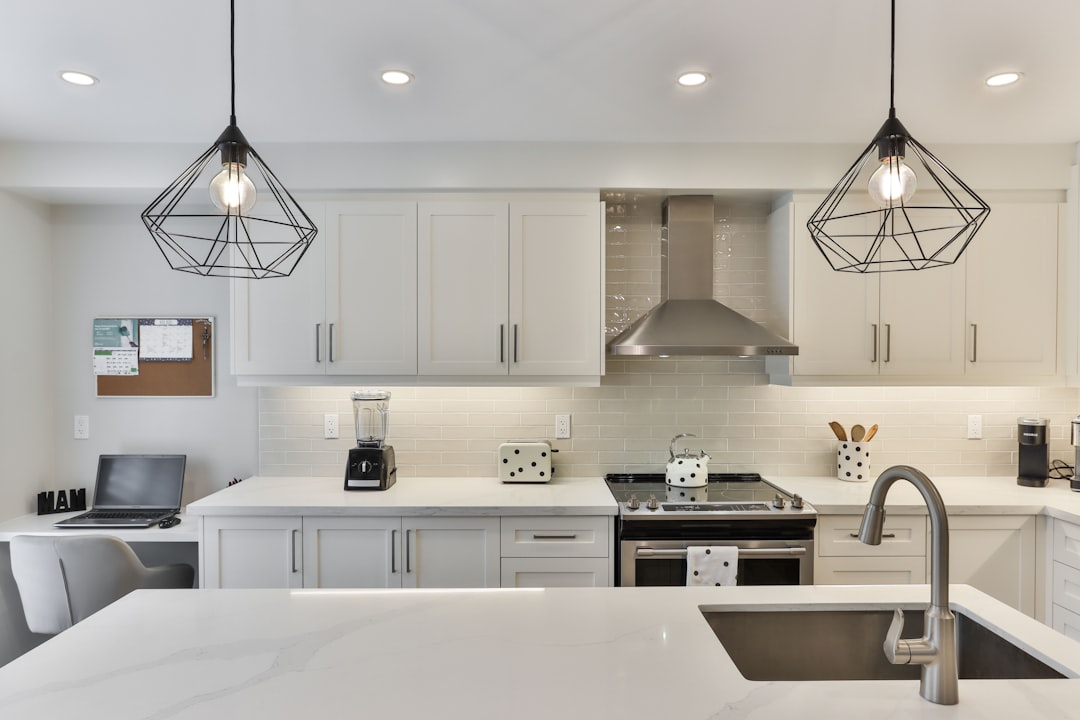
From the Fabrication Bench
Practical countertop advice from our Lakewood crew, covering slab selection, sealing, and getting a durable finish that holds up for decades.
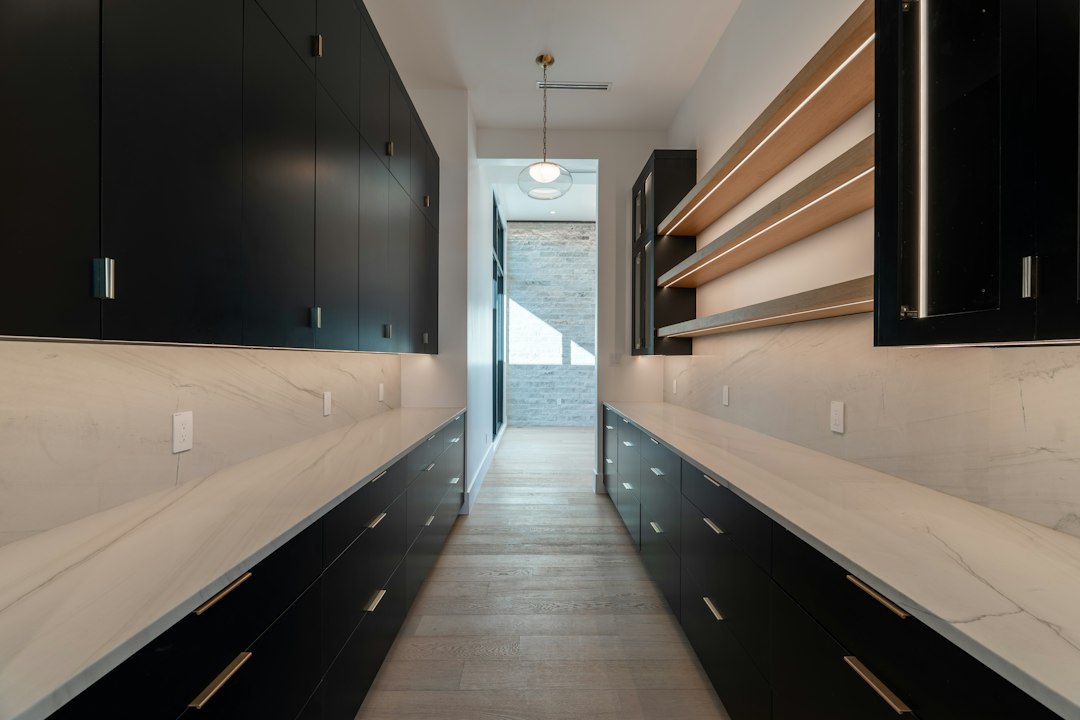
Countertops Lakewood CA: Three Tests to Run on a Stone Sample Before You Order
A pane of glass, a lemon and a spoonful of water will tell you more about a stone sample than any showroom label. Those three items run the scratch, acid and absorption tests, and each one answers a question that decides whether a counter looks good in year five or tired in year one.
Before any of that, look under the sink. Many homes in Lakewood are postwar tract houses, and plenty still have original or older remodeled kitchens. Open the sink base and check the cabinet floor for soft, swollen or stained spots. Stone set on water damaged boxes can shift and crack, so a leaking drain line is a bigger problem than any choice of slab.
The name that causes the most confusion on a sample table is quartzite, a natural metamorphic stone formed from sandstone and hard enough to scratch glass. Some slabs sold under that name are actually marble or dolomite, which behave very differently in a working kitchen. Since the label alone cannot settle it, ask for a sample you can take home and test.
The glass scratch test
Press a corner of the sample firmly against a piece of glass, such as a spare picture frame pane, and drag it. A truly hard stone will leave a scratch on the glass. If the glass stays clean and the sample leaves a pale powdery mark, the stone is softer than its name suggested.
Test an inconspicuous edge or the back of the sample, and keep expectations realistic. Passing this test means the stone is hard. It does not mean the stone is maintenance free or tougher than granite in every situation.
The acid test: lemon juice or vinegar on a spare corner
Put a few drops of lemon juice or vinegar on the sample and leave them for several minutes. Wipe it off and look at the surface from a low angle under a window. A dull spot means the stone contains calcite, and it will etch in daily use wherever citrus, wine, tomato or a splash of cleaner sits.
Etching is a chemical change in the surface, not a stain. Marble, limestone and calcite bearing stones all do it. If the sample passes, you have one more reason to trust the material. If it fails, you can still choose it, but you are choosing a counter that develops a worn, lived in look, and that should be a decision made with your eyes open.
The water drop test and what sealer can and cannot do
Natural stone is porous to varying degrees. Leave a few drops of water on the sample for several minutes. If the stone darkens beneath the drops, it is absorbing and is due for sealing. If the water beads and the color holds, wait.
This is the better way to schedule sealing, because a fixed calendar ignores how dense your particular stone is. Retest every so often on the counter itself, near the sink or range, and seal when the test says so.
Keep one point straight: sealer slows staining, but it does not stop etching. Marble will still dull where acid sits, sealed or not. Granite also benefits from a check now and then, so do not assume it never needs attention.
Finish changes how a stone ages
The surface finish matters as much as the stone.
- Polished looks glossy and shows etch marks plainly.
- Honed hides etching better, but absorbs stains more readily, so it leans harder on that water drop test.
- Leathered has a textured, slightly dimpled feel that hides fingerprints and water spots.
That last point is useful here. Southern California tap water is hard, and mineral rings build up around faucets and soap dispensers. A leathered surface camouflages the spotting while you keep up with the real fix, which is to wipe and dry those zones daily rather than scrubbing scale off later.
Cleaning hard water scale without damaging the stone
When scale does build up, the instinct is to reach for vinegar or an acidic bathroom cleaner. Do not use them on natural stone. They etch marble, limestone and any calcite bearing slab, and they can leave a dull ring that is worse than the scale. Use a pH neutral stone cleaner, or a scale remover labeled safe for natural stone, and follow the label on contact time.
Vinegar is not a safe natural cleaner for every countertop, and the acid test above is the reason why.
Engineered quartz: heat care and sun care
Engineered quartz is crushed stone bound with resin, and it asks for different habits. It does not need sealing, but it does need heat care. The resin can scorch or discolor under hot pans, so keep trivets by the range. It is not heatproof.
Sun is the second consideration. Engineered quartz can fade or yellow over time in strong, direct light. Lakewood gets plenty of sunny days, so think twice before putting it beside a bright south or west window. Keep it out of outdoor kitchens entirely. If you are designing an outdoor space, choose lighter natural stone for exposed counters, because dark stone gets very hot in afternoon sun.
Approve the actual slab, not the sample
A sample shows color. The slab shows what you are really buying. Visit the yard or showroom and look at the slab that will be cut for your kitchen.
Natural fissures are common in marble and in the harder natural stones. The way to tell a fissure from a crack is by touch: run a fingernail across it. A crack will catch the nail. A fissure usually will not. Knowing the difference keeps you from rejecting a sound slab, and from accepting a damaged one.
Ask to see the seam layout
Request the seam plan before fabrication starts. Seams over the dishwasher, at sink corners or across narrow sections are the most common failure points, because those spots flex and take moisture. A good layout puts seams where the stone is well supported and away from the sink cutout.
Templating day: have the details ready
The fabricator measures for templates once cabinets are set, and a few items should be waiting for them.
- Sink, faucet and cooktop. Have them on site, or have their spec sheets ready. Cutouts made from guesses are a frequent cause of remakes.
- Dishwasher plan. A dishwasher cannot be screwed into the underside of stone, so plan side mount brackets into the cabinets.
- Seating overhangs. Once a stone overhang extends past a modest depth, it needs hidden steel supports or corbels. A thicker slab does not remove that need. Unsupported overhangs crack when someone leans or sits on the edge.
Dust and shaking: two safety points
Cutting stone, and especially engineered quartz, releases fine silica dust that is harmful to breathe. Most cutting should happen in the shop. If any cutting happens at your house, it should be done wet or with dust extraction, never dry indoors.
Lakewood also sits in an active seismic region. Tall stone backsplashes, stone shelves and heavy pieces on open shelving need solid attachment to framing, not adhesive alone.
After installation: the sink and the caulk
Undermount sinks hang from clips and adhesive. Every so often, look under the sink with a flashlight for a gap opening at the rim or failing caulk, and repair it early, before water reaches the cabinet.
Do the same at the backsplash joint. Renew cracked silicone there and around the sink, because water that gets behind the backsplash rots drywall and cabinet backs out of sight, and you will not see it until the damage is advanced.
If the answer is not stone at all
Stone is not the only reasonable choice, and each alternative has one weak spot worth watching.
- Laminate fails mostly at seams and around the sink. Water wicks into the particleboard core and it swells. Keep those edges caulked and wipe up standing water.
- Solid surface acrylic can be sanded to remove scratches and minor burns, and its seams can be nearly invisible. It does not tolerate hot pans well.
- Tile, common in older California kitchens, fails at the grout. Reseal grout lines and replace cracked grout promptly near the sink.
- Butcher block needs regular oiling and should not sit wet at the sink edge. Gray or black staining near the faucet means water has soaked in.
Putting the tests in order
Run the scratch test first, then the acid test, then the water drop test, all on the same sample. Then approve the slab by eye and by fingernail, review the seam layout, and arrive at templating with every fixture accounted for. That order filters out the wrong stone early and catches fabrication problems while they are still cheap to fix on paper. It takes an afternoon, and it is the difference between a counter you choose and one you merely tolerate.
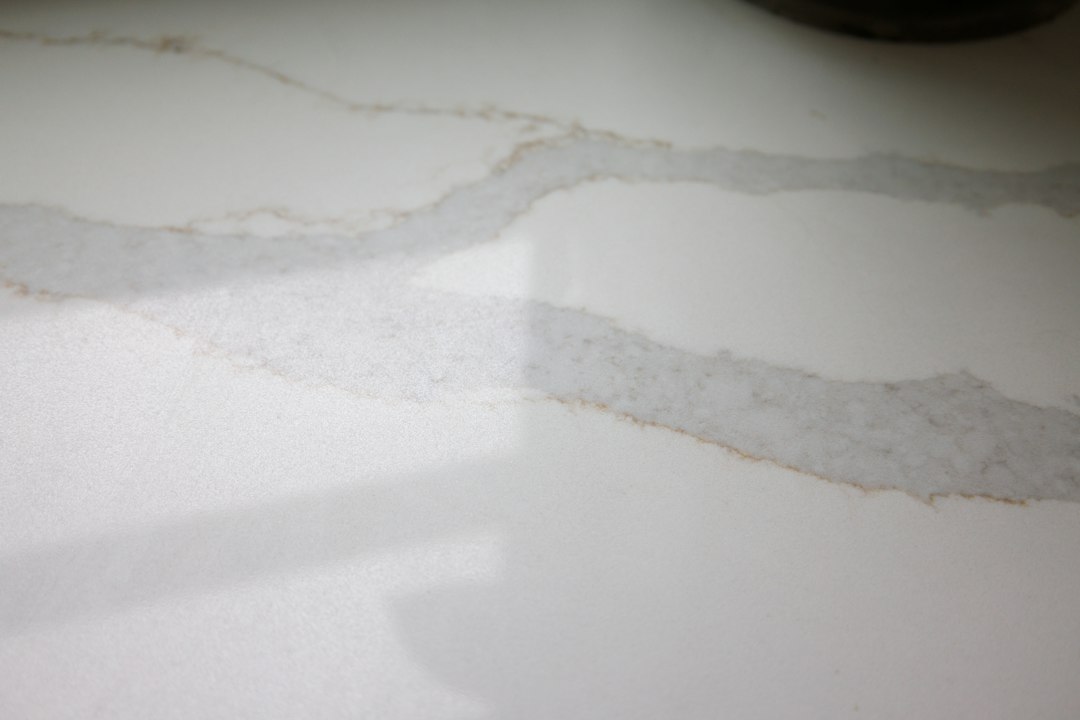
Countertops Lakewood CA Homes Need: A Tract House Counter Swap in the Right Order
A counter is the last big piece to go into a kitchen, which makes it the first place every earlier shortcut shows up. In a Lakewood house built in the early 1950s, those shortcuts are often decades old and sitting under the old top, waiting to be discovered.
The order of work matters more than the stone you pick. Get the sequence right and almost any material performs well. Get it wrong and even a beautiful slab ends up with gaps, a cracked cutout or a sink that will not seat.
If the counters are part of a larger kitchen remodel, the schedule has a few fixed points: demolition and inspection first, cabinets set level next, fixtures chosen before anyone measures, and only then the template. The sections below follow that order.
Start With What Is Under the Old Top
Many original mid century kitchens carry ceramic tile set in a thick mortar bed over wire lath. It looks like a simple tile counter, but it comes off as a heavy, dusty slab of mortar. Plan for the extra demolition time, and plan to protect floors and the adjoining rooms.
Once the mortar is off, look at the cabinet tops. Water damage around the sink is common, and it is far better found now than after a new counter hides it. Soft, dark or crumbling wood needs repair before anything heavy goes on top.
Test Before You Tear
Houses built before 1978 may have lead paint. Older flooring, mastic and some textured wall or ceiling finishes from this era can contain asbestos. Neither one is a reason to panic, but both are a reason to have suspect materials tested before demolition disturbs them. A testing delay of a few days is much easier to live with than a contaminated house.
Deal With the Backsplash Honestly
Removing an old backsplash almost always damages the drywall behind it. Expect torn paper, gouges and uneven patches. Budget time to patch and prime the wall before a new backsplash goes up, because tile or stone set over a rough wall will telegraph every flaw.
Check the Boxes With a Long Level
Lakewood's tract homes are single story, and after seventy years the floors may have settled and walls may be out of plumb. The cabinet boxes may have followed along. Stone does not flex to hide an uneven base the way a thin laminate sheet can.
Lay a long level across the cabinet tops in several directions. If the run is off, shim and correct it before the counter is measured. Fasten the boxes to each other and to the wall. A cabinet that shifts after the stone is cut can open a gap along the wall or put stress on a seam.
Fix the Valves While Everything Is Apart
Old shutoff valves under the sink in houses of this age are often seized, or they weep a little when turned. A counter swap disconnects the plumbing anyway, so this is the cheapest moment to have them checked and replaced if needed. Nobody wants to discover a bad valve while a sink is hanging loose.
Think About the Shaking
Lakewood is in earthquake country. While the cabinets are exposed, make sure the uppers are screwed into studs and not just drywall. Latching hardware on doors that hold heavy dishware is a small addition. A cabinet that breaks loose and swings over a stone counter can damage both.
Choose Fixtures Before Anyone Measures
Stone fabricators template from the actual cabinets, and they cut openings from the exact model of sink and cooktop. That has two consequences.
- Cabinets must be installed, level and fastened before templating. Any shimming or cabinet change afterward can leave gaps or force a recut.
- The sink, faucet and cooktop should be on site, or fully specified, before the template is made. Changing a fixture after the cutout is made usually means the slab cannot be fixed.
Ask about the dishwasher too. It normally screws into the underside of a laminate or wood top, but stone needs side mount brackets fastened into the neighboring cabinets. Confirm this before install so nobody drills into the slab.
Ask Where the Seams Will Go
Galley style tract kitchens often have long L shaped runs, and a long L usually needs at least one seam. That is normal. What you can influence is placement.
Ask the fabricator to show seam locations before fabrication. Good placement keeps seams away from the sink and cooktop cutouts, where the stone is weakest, and out of the main sightline where possible. A seam you know about and agreed to is rarely a complaint later.
Support Any Overhang
If you plan seating at a peninsula, the overhang needs support. Thinner slabs and longer overhangs call for brackets or corbels. Ask what your stone and thickness require instead of trusting the cabinets alone to carry it.
Match the Material to the Light and the Water
Sun
Lakewood is sunny, and that matters for some materials. Quartz resin can yellow or fade after long direct sun exposure, so think carefully before putting it under a bright west or south window. Avoid it for outdoor kitchens and patio bars.
For outdoor counters, granite and other dense natural stone, or porcelain slabs, handle sun and temperature swings better. If glare bothers you, ask about a honed or leathered finish.
Heat
Most quartz needs no sealing, but the resin binder can scorch or discolor from direct heat. Trivets belong under hot pans, slow cookers and electric griddles. Quartz is not heat proof, and treating it as if it were is the usual way people ruin it.
Hard Water
Southern California tap water is hard, so expect white mineral rings around faucets and on dark polished stone. Wiping and drying the sink area each day prevents buildup far better than scrubbing it off later. Deposits are a cosmetic nuisance, not something that eats through quartz or granite.
Cleaning and Sealing Without Regret
Never use vinegar or another acidic descaler on marble, limestone, travertine or onyx. Acid etches calcite based stone and leaves dull spots, and sealing does not prevent that. Use a cleaner labeled safe for natural stone.
Sealer slows staining on porous stone, but it does not stop etching. To see whether granite or marble needs resealing, put a few drops of water on the surface. If the stone darkens within a few minutes, it is time. How often that happens varies widely by stone, so go by the test instead of a calendar.
A Note on Laminate
Laminate fails first at seams and around the sink, where water wicks into the particleboard core and swells it. Bubbling or swollen edges near the sink mean water is getting in. Recaulk early, because swollen substrate does not shrink back.
Habits That Protect the Finished Counter
A few small rules keep a new counter intact for years.
- Cut on a board every time. Quartz and granite dull knives, and laminate and solid surface show knife scores.
- Do not stand or kneel on the counter. The narrow strips of stone around sink and cooktop cutouts are the weakest points and crack under point loads.
- Recaulk the joint where the counter meets the wall or backsplash, and around the sink rim, when the caulk cracks, pulls away or grows mildew. That joint is the main path for water into the cabinet and wall.
- Watch an undermount sink. It hangs from the stone by clips and adhesive. If a gap or dark line forms between the rim and the stone, deal with it promptly, because a dropping sink can crack the edge or leak into the cabinet.
No countertop is indestructible or maintenance free, and cracks in stone cannot always be repaired invisibly. What a careful homeowner can do is shorten the list of surprises. Check the cabinets honestly, settle fixtures early, agree on seams, pick a surface that suits the light in your room, and keep the caulk lines sound. Do those things in that order and a seventy year old Lakewood kitchen can carry a new top as well as a new build can.
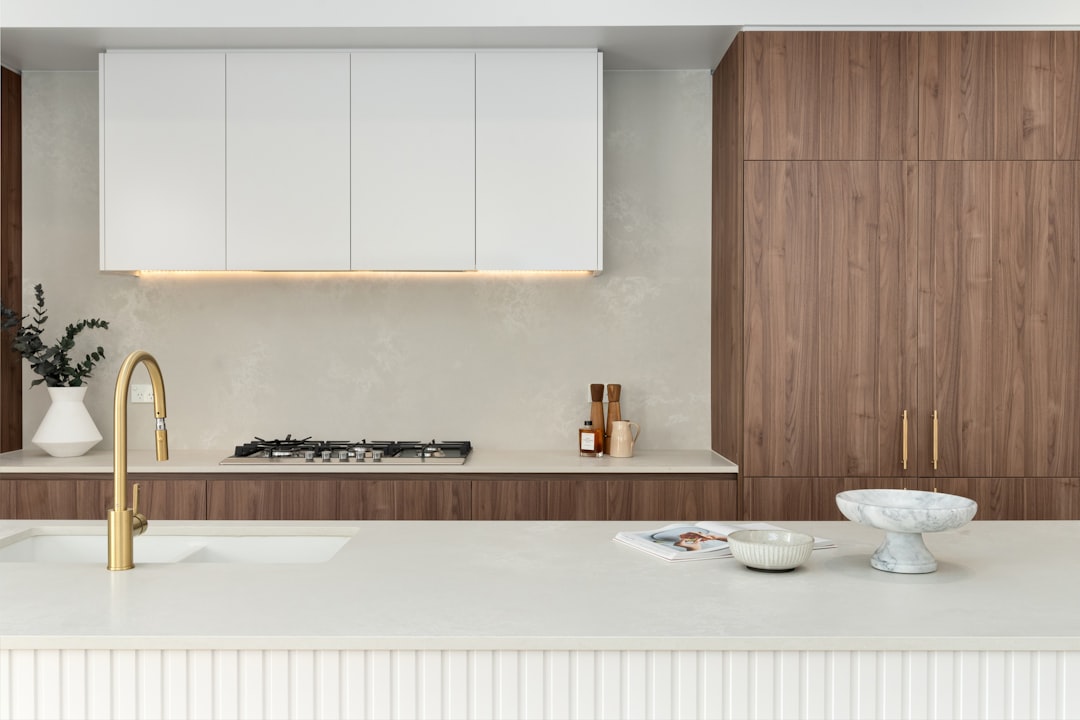
How to Get Countertops That Actually Last in Lakewood
Plenty of countertops look great on install day. The real test is how they look after a decade of hot pans, dropped glasses, and daily scrubbing in a busy Lakewood kitchen. Durability is not luck, it comes from choices made at the slab yard and the fabrication bench. Here is what actually separates a counter that lasts from one that does not.
Start With the Right Material for Your Life
The most durable surface is the one that matches how you cook. Engineered quartz is non-porous and shrugs off stains and scratches with almost no upkeep, which makes it the easy pick for families near Woodruff Ave. Quartzite gives you a bright, marble-like look with much harder wear. Granite handles heat well once sealed. Soft marble is beautiful but etches, so it belongs where looks matter more than abuse. Picking honestly here is half the durability battle. Compare your options on our quartz countertops page before you decide.
Seal Natural Stone, and Reseal It
Granite, marble, and quartzite are porous, so they need sealing at install and a light reseal every year or so. That thin barrier is what keeps red wine and cooking oil from soaking in and staining. Quartz skips this step entirely because it is non-porous. When someone tells you natural stone is maintenance free, they are setting you up for a stain down the road.
Support the Spans and Overhangs
A slab is only as solid as what holds it up. Long runs, cantilevered bar tops, and island overhangs need hidden plywood or steel support underneath, or they will crack under weight over time. Older cabinets in the Lakewood Village tract homes sometimes need reinforcing before they carry a thick granite top. We check the base during the measure so nothing fails later.
Insist on a Careful Template
Homes settle. Walls near South St lean, corners drift out of square, and cabinets rarely sit perfectly level. A precise template that measures the real conditions, not the ideal ones, is the difference between a tight, lasting seam and a gap that collects grime. This is where careful fabrication earns its keep.
Mind the Seams and Edges
A well-placed, tightly matched seam and a properly finished edge are quiet signs of a counter built to last. Poor seams trap moisture and crack; a good one nearly disappears. The same goes for a clean, chip-free edge profile that holds up to years of use.
Thinking about counters built to last for your Lakewood home? Call Chercherlecourant at (562) 623-1645 or contact us for a free in-home measure.
Picking a Surface Built to Last Decades
One local fabrication crew for every popular surface and every part of the job, matched to how you cook and how long you want it to hold up.
- 01Quartz Countertops
- Low-maintenance engineered quartz that resists stains and scratches and never needs sealing, in a wide range of colors, including looks that mimic marble and granite.
- 02Granite and Natural Stone
- Granite brings one-of-a-kind character and stands up to heat and daily use. We help you pick a slab and seal it during install to last for decades.
- 03Marble and Quartzite
- Premium natural stone for a standout kitchen. Quartzite offers marble looks with harder wear, and both are sealed and templated to fit tight.
- 04Kitchen and Bath Fabrication
- Kitchen counters, islands, breakfast bars, and bathroom vanities, cut and fabricated to fit your exact layout and match across every run.
- 05Sinks and Edge Profiles
- Undermount and drop-in sink cutouts plus a full set of edges, from a simple eased edge to a bullnose, ogee, or mitered waterfall.
- 06Backsplashes and Islands
- Full-height and standard backsplashes, waterfall and overhang island tops, and breakfast bars, cut and fit to match the counters.
Where Our Fabrication Crews Deliver
We install countertops throughout Lakewood and the surrounding communities of southeast Los Angeles County, from the city neighborhoods to the nearby towns just over the line.
- Lakewood, CA (90712, 90713, 90715)
- Cerritos, CA
- Bellflower, CA
- Long Beach, CA
- Paramount, CA
- Downey, CA
- Artesia, CA
- Hawaiian Gardens, CA
Not sure if we reach your street? Call (562) 623-1645 and we will let you know.
Countertop Details Worth Nailing Down
How much do new countertops cost in Lakewood?
Which lasts longer, quartz or granite?
How do you get a counter to fit an older Lakewood kitchen?
Do you seal and support the stone properly?
How long does a countertop project take?
Do you serve my area?
Chercherlecourant provides countertops installation in Lakewood, CA, handling engineered quartz, granite, marble, quartzite, solid surface, butcher block, and laminate from the first template to the final polished seam. We cut for undermount and drop-in sinks, shape the edge profile you pick, and fit matching backsplashes so the finished surface reads as one clean piece. Our fabrication crews work to the exact dimensions of your kitchen or bath, and that precision matters most in the settled cabinet runs common in the older homes off Candlewood St and across the 90712 ZIP.
We build counters that are meant to sit in a home for the long haul, so the craftsmanship shows in the parts you never see. A tight seam, a properly supported overhang, and a slab that was templated for the real wall rather than an ideal one are what separate a counter that looks new for two years from one that still looks new after twenty. Recent Lakewood jobs have ranged from a waterfall quartz island in Lakewood Village to a honed granite kitchen near Del Amo Blvd, and each one started the same way, with a careful measure and an honest conversation about the material. We know the pockets of this city street by street, from Mayfair and Carson Park to the Rancho Estates ranch homes.
The process is easy to follow because we lay it out week by week. We come out and template your space, help you compare materials and edge profiles for how you actually cook and clean, and hand you a written estimate before anything is ordered. The slab is then fabricated to fit, and we return to install, usually with only a short gap between the measure and the finished top. Most installs wrap in a single day once the material is ready, and we protect your cabinets and floors the whole time. A homeowner near Woodruff Ave rarely waits more than a couple of weeks from first call to final polish.
Doing the job right also means doing it safely and to code. We seal natural stone properly during installation, add hidden plywood or steel support under long spans and cantilevered bar tops, and make sure heavy slabs are carried on a base that can hold them. Older kitchens around South St sometimes need a cabinet reinforced before a thick granite top goes on, and we flag that during the measure instead of after. A new counter is one of the upgrades buyers in the Lakewood market notice first, so we finish every edge and seam like it was always part of the house, and we back the work with a licensed, insured crew you can reach by phone.
What Your Square Footage Will Cost
Countertop pricing comes down mostly to the material and the size of your kitchen. Laminate is the most economical, engineered quartz and granite sit in the popular middle, and premium marble and quartzite run higher. Sink cutouts, edge upgrades, and backsplashes add to the total. The ranges below are typical for the Lakewood area, and we put the firm number in writing after a free in-home measure.
- Durable and low maintenance
- Templated and installed to fit
- Premium natural stone
- Sealed for lasting protection
Book a Slab Consultation Today
Ready for counters built to last? We will measure your space on Palo Verde Ave or wherever you are in Lakewood, walk you through materials and edge profiles, and give you a clear written estimate with no pressure. Most installs are quick once the slab is fabricated, and we handle everything from tearing out the old tops to the final polished seam.
Call (562) 623-1645